




 English
 Spanish
 French
 German
 Italian
 Chinese (Simplified)
 Japanese
 Korean
 Arabic
 Portuguese

 Send Inquiry
Call Us
08037736528
|
Call Us
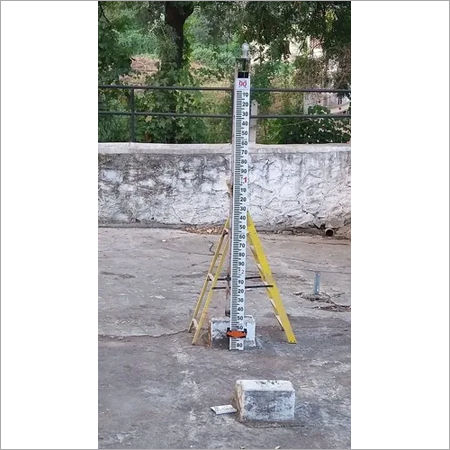
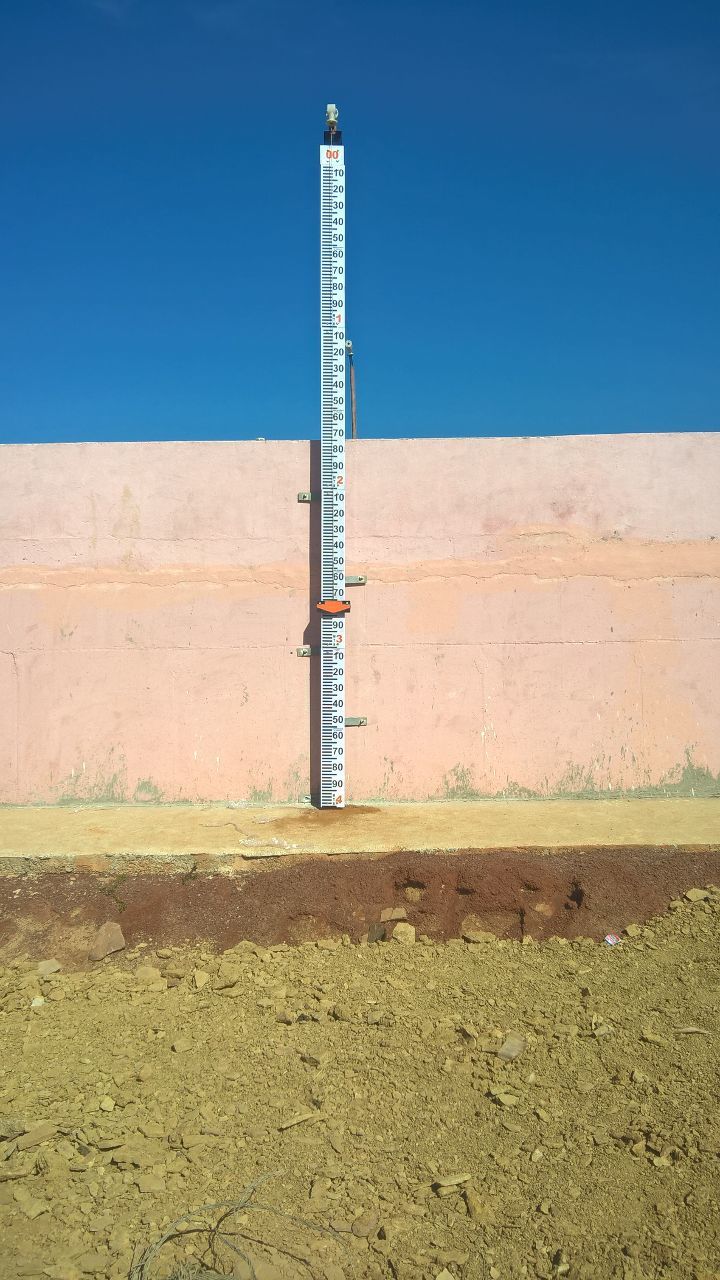
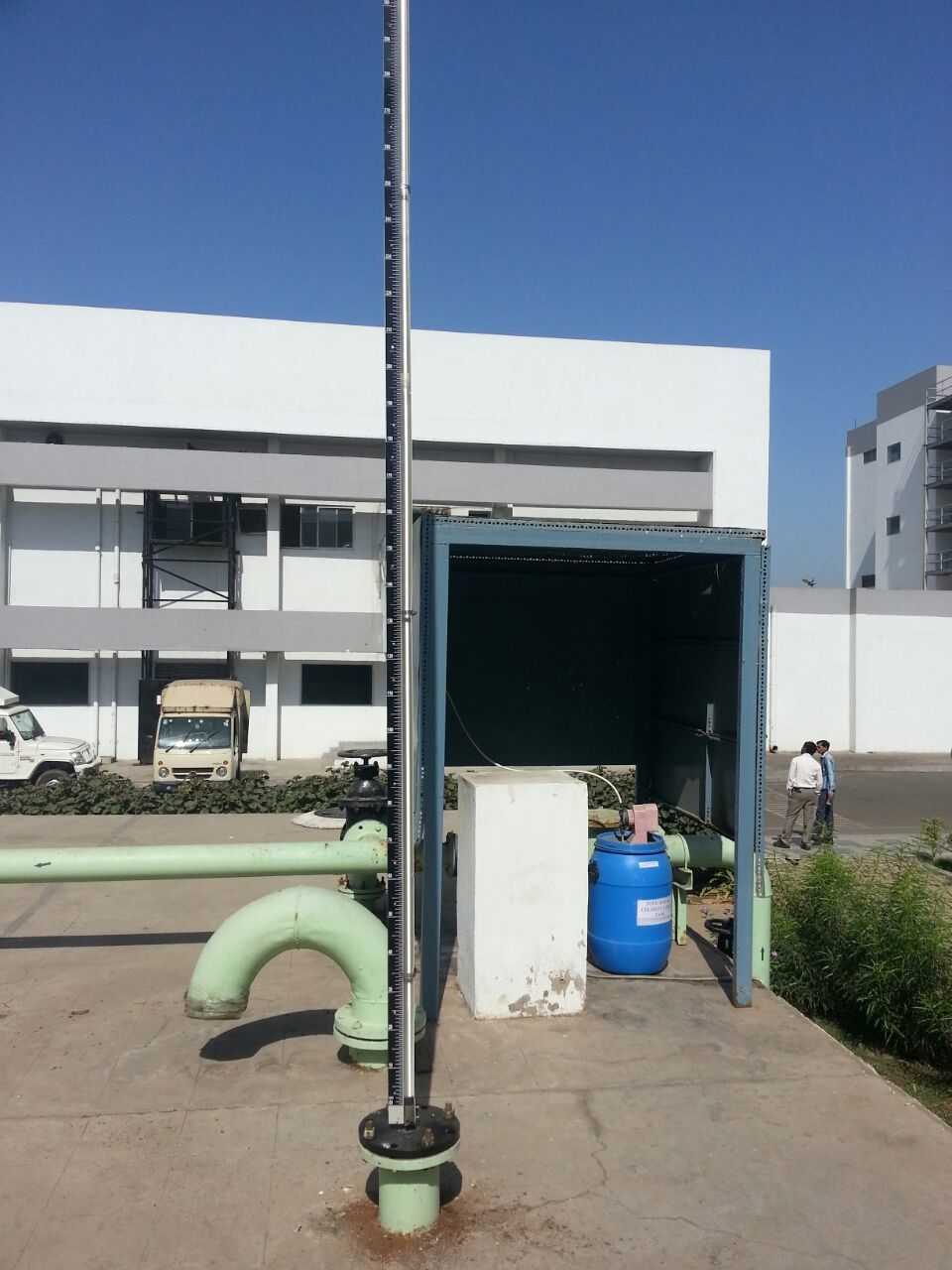
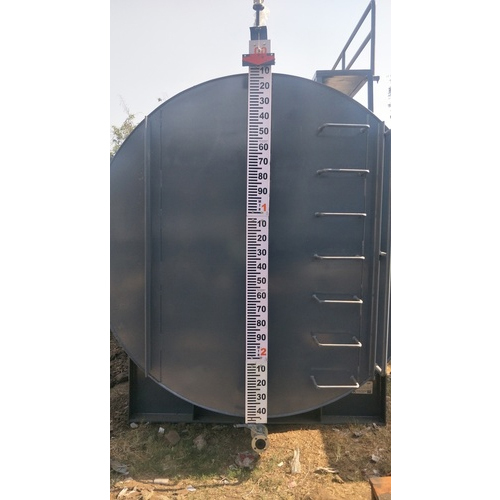
08037736528An Underground Tank Level Indicator is a device used to monitor and display the level of liquid inside an underground storage tank. These tanks are commonly used for storing liquids such as water, fuel, or chemicals. Monitoring the tank level is essential for various applications, including managing inventory, preventing overflows, and ensuring the proper functioning of equipment that relies on the stored liquid.
Float Gauges
Mechanical Float Gauges: Use a float connected to a mechanical indicator on the surface. As the liquid level changes, the float moves and displays the corresponding level on a dial or gauge.
Electronic Float Gauges: Use sensors to measure the floats position and transmit data electronically to a display unit.
Ultrasonic Level Sensors
Use sound waves to measure the distance between the sensor and the liquid surface. The time taken for ultrasonic pulses to travel determines the liquid level.
Pressure Transducers
Measure the pressure exerted by the liquid in the tank. As the liquid level changes, the pressure varies, allowing the transducer to determine the level.
Capacitance Sensors
Measure the dielectric constant between two electrodes. The capacitance changes as the liquid level changes.
Radar Level Sensors
Use radar waves to measure the distance to the liquid surface. Suitable for a wide range of liquids, often used in industrial applications.
Hydrostatic Level Sensors
Measure the pressure at the bottom of the tank, which correlates directly with the liquid height.
Petroleum and Chemical Industry For storing fuels, oils, and chemicals. Helps prevent overflows and ensures adequate supply for industrial processes.
Water and Wastewater Management Used in municipal water systems and wastewater plants to manage distribution and monitor reservoir levels.
Agriculture For storing water, fertilizers, and pesticides; aids in irrigation management.
Utilities and Power Plants Maintain proper levels of cooling water, lubricants, and chemicals to ensure operational efficiency.
Food and Beverage Industry Manage storage of oils, syrups, and flavorings to maintain consistent supply.
Mining Industry Monitor chemical and water levels to prevent contamination and optimize resource usage.
Construction Sites Manage fuel and water storage for construction activities.
Transportation and Logistics Used in airports or terminals to monitor underground fuel storage.
Environmental Monitoring For accurate level tracking in groundwater sampling and monitoring solutions.
Emergency Backup Systems Ensure continuous fuel supply for emergency generators.
Q. What is an underground tank level indicator?
Ans: It is a device used to monitor and display the level of liquid inside an underground storage tank, helping manage inventory and prevent overflows.
Q. Why are underground tank level indicators important?
Ans: They help industries prevent spills, ensure steady liquid supply, and maintain safety and environmental compliance.
Q. What types of liquids can be monitored?
Ans: Water, fuels (diesel, gasoline), oils, chemicals, and other industrial or agricultural liquids.
Q. How do underground tank level indicators work?
Ans: Depending on the type, they may use float gauges, ultrasonic sensors, pressure transducers, capacitance, radar, or hydrostatic methods to measure and display levels.
Q. Are they suitable for hazardous materials?
Ans: Yes, provided that indicators comply with relevant safety and regulatory standards.
Q. What factors should be considered when choosing one?
Ans: Type of liquid, environmental conditions, accuracy, maintenance, and regulatory requirements.
Q. Can they be retrofitted onto existing tanks?
Ans: Yes, many models allow for easy installation on existing tanks without major modifications.
Q. Are wireless underground tank level indicators available?
Ans: Yes, wireless models offer remote monitoring and real-time data access.
Q. How do they contribute to environmental protection?
Ans: They help prevent overflows and leaks, reducing contamination risks.
Q. Are they suitable for small-scale applications?
Ans: Yes, there are models available for tanks of various sizes and capacities.

Price:
Price 10800 INR / Piece
Minimum Order Quantity : 1 Piece
Application : Industries
Warranty : 1 Year
Product Type : Oil Level Indicator
Frequency : 50 Hertz (HZ)
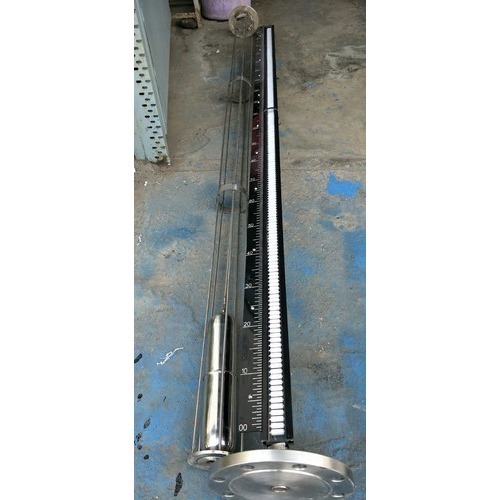
Price 12600.0 INR / Piece
Minimum Order Quantity : 1 Piece
Application : Industries
Warranty : 1 Year
Product Type : Magnetic Level Indicator
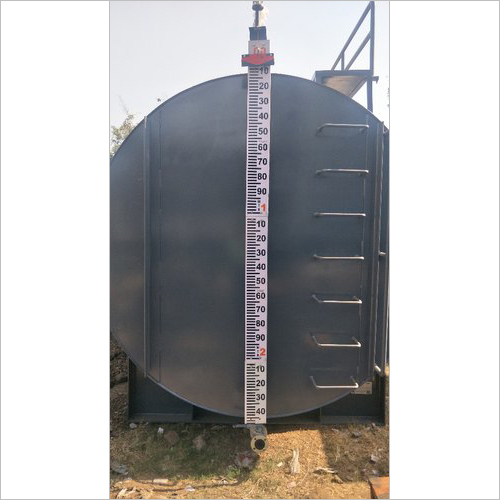
Price 850-15000 INR / Unit
Minimum Order Quantity : 1 , , Unit
Application : Industrial
Product Type : Float And Board Level Indicator
Price 2500.0 INR / Unit
Minimum Order Quantity : 1 Unit
Application : Industries
Warranty : 1 Year
Product Type : Tubular Level Indicator
Frequency : 50 Hertz (HZ)






 Send Inquiry

 Send Inquiry
 Send SMS